
Marketing
How Brands Turn Attention Into Actual Customers

Getting noticed used to be the hard part. Now it's almost the easy part.
Anyone with a phone and a half-decent idea can pull in views. A single clip can rack up hundreds of thousands of eyeballs overnight. And yet plenty of brands sitting on impressive numbers still can't tell you where their actual sales come from. The reach is there. The revenue isn't.
That gap is the whole game. Attention is the cover charge, not the payday. Converting it into paying customers is a different skill entirely, and it's the one most brands quietly skip.
Attention is a doorway, not a destination.
Here's the trap a lot of businesses fall into: likes, views, impressions and follower counts feel like progress. They're easy to measure and weirdly satisfying to watch climb. But none of them pay rent. A million people scrolling past your post is not the same as one person reaching for their card.
We've watched brands celebrate a viral moment and then go quiet for three weeks, genuinely puzzled about why nothing happened. Nothing happened because attention without a plan is just noise that flatters your ego. The view counter went up. The bank balance didn't move.
So the better question isn't "how do we get seen?" It's "what happens in the ten seconds after someone sees us?" That's where customers are won or lost.

The leak between "seen" and "sold".
Picture the journey honestly. Someone discovers you, feels a flicker of interest, and then… what? For most brands, the answer is nothing. There's no obvious next step. No reason to remember the name tomorrow. No path that doesn't feel like work.
Attention leaks out through a few predictable cracks. No clear next move: people won't hunt for it. If the path forward isn't obvious, they leave. No reason to trust you yet: a stranger who likes your post still doesn't believe your promise. The wrong crowd: big numbers from people who'll never buy are an expensive form of applause. Asking for too much, too soon: "buy now" lands very differently on someone who met you four seconds ago.
Fix the leaks and the same amount of attention suddenly produces more. That's the unglamorous truth behind a lot of "overnight" successes. They didn't get louder. They got tighter.
People buy what they understand.
Clarity is the most underrated conversion tool there is. If a person can't explain what you do in one plain sentence after meeting your brand, you've already lost them. Confused people don't buy. They don't even pause. They scroll.
Say what you do. Say who it's for. Say why it's better. Then make it beautiful. In that order. A message that's instantly understood will out-convert a message that's merely admired, every single time.
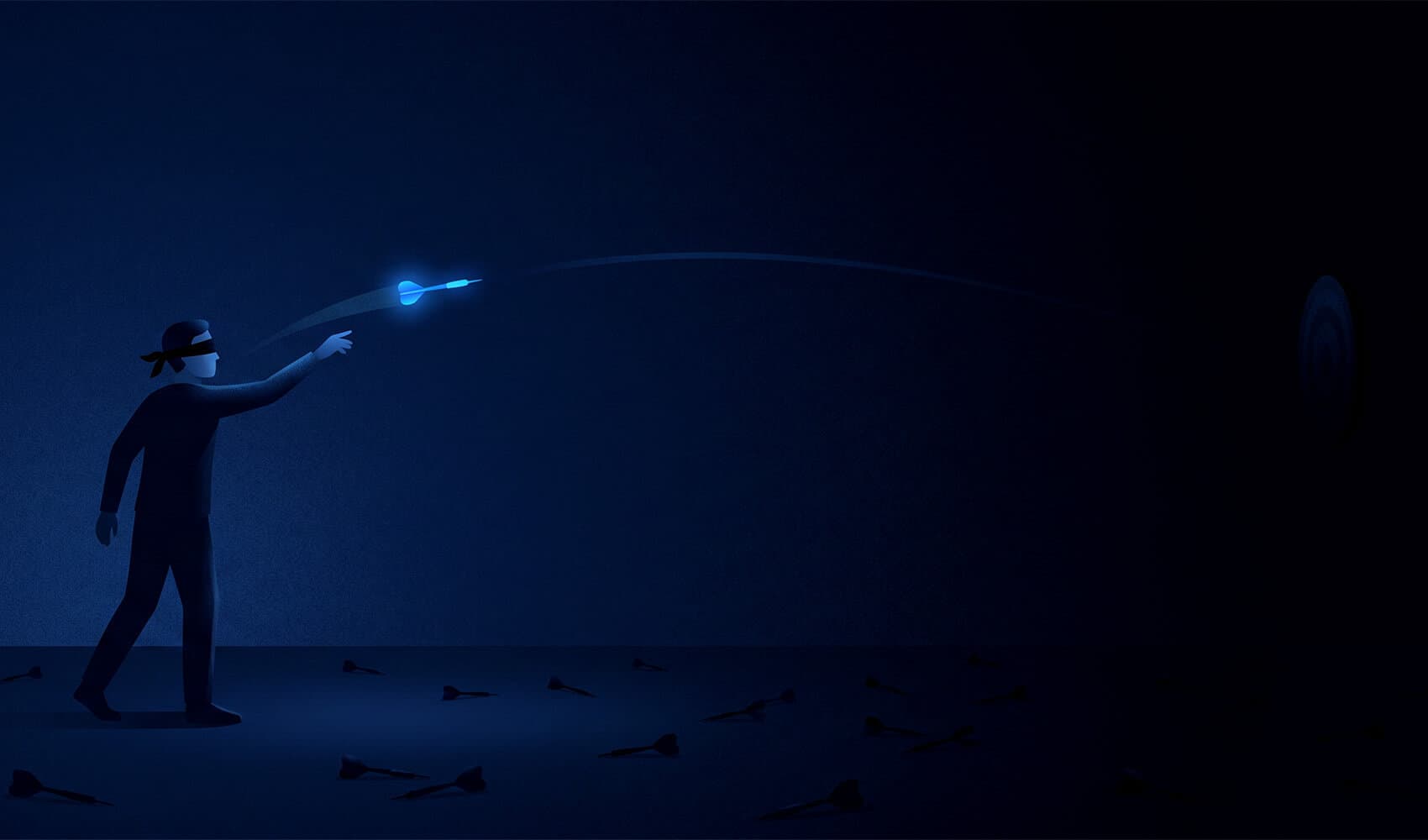
Trust is the real currency.
Nobody hands money to a brand they don't believe. And belief isn't built by saying "trust us." It's built by showing up the same way, again and again, until familiarity quietly turns into confidence.
Proof does a lot of heavy lifting here. Real results, real customers, real faces. A founder who explains the thinking. A before-and-after that isn't airbrushed into fantasy. People are far more cynical than they were a few years ago, and they can smell a staged testimonial from across the room. Honesty reads as rare now, which makes it powerful.
Consistency feeds trust too. When your tone, look and promise stay recognisable across every touchpoint, you start to feel like a known quantity. And a known quantity is a safe choice. Safe choices are the ones that get bought.
Relevance: the right person at the right moment.
You can have a brilliant message and still talk to the wrong room. Relevance is matching what you're saying to who's listening and where they are in their thinking.
Someone hearing about your category for the first time needs a different conversation than someone comparing you against two competitors with a card already in hand. The brands that convert well speak to the moment a person is actually in, not the moment they wish everyone was in.
This is also why "more reach" is so often the wrong fix. A smaller audience of the right people, caught at the right time, will outperform a stadium full of the wrong ones. Precision beats volume.

The middle that almost everyone ignores.
Most brands build a top and a bottom and forget the part that connects them. The top is the attention-grabbing content. The bottom is the buy button. In between, where real decisions get made, there's usually a void.
That middle is the consideration phase, the stretch where a curious stranger slowly decides whether you're worth it. It's where they read a bit more, watch another video, check whether you're still posting, see if anyone they trust has mentioned you. Most purchases happen here, not in the first encounter.
Brands that win this stage stay useful while people make up their minds. They answer the questions buyers are quietly asking. They keep showing up so the brand stays warm instead of going cold between the first glance and the final decision.
Make the path almost embarrassingly easy.
Every extra step between interest and action is a chance for someone to drift away. A confusing website. A form with eleven fields. A checkout that demands an account before it'll take your money. Each of these is a small tax on intent, and people stop paying it fast.
The brands that convert well are ruthless about friction. They cut steps. They make the next action obvious and the effort tiny. When someone is finally ready to move, the worst thing you can do is make them think.
Attention is rented. You can buy a burst of it, get lucky with a post, or borrow it from a trend. But customers are earned, and the bridge between the two never builds itself. It's built deliberately: a message people understand, proof they can believe, relevance that meets them where they are, a path that's easy to walk, and the patience to do it all consistently.
That's the difference between a brand everyone has seen and a brand everyone is buying. One fills a feed. The other fills the room.