
AI
Will AI Replace Creative Agencies? The Honest Answer From Inside One
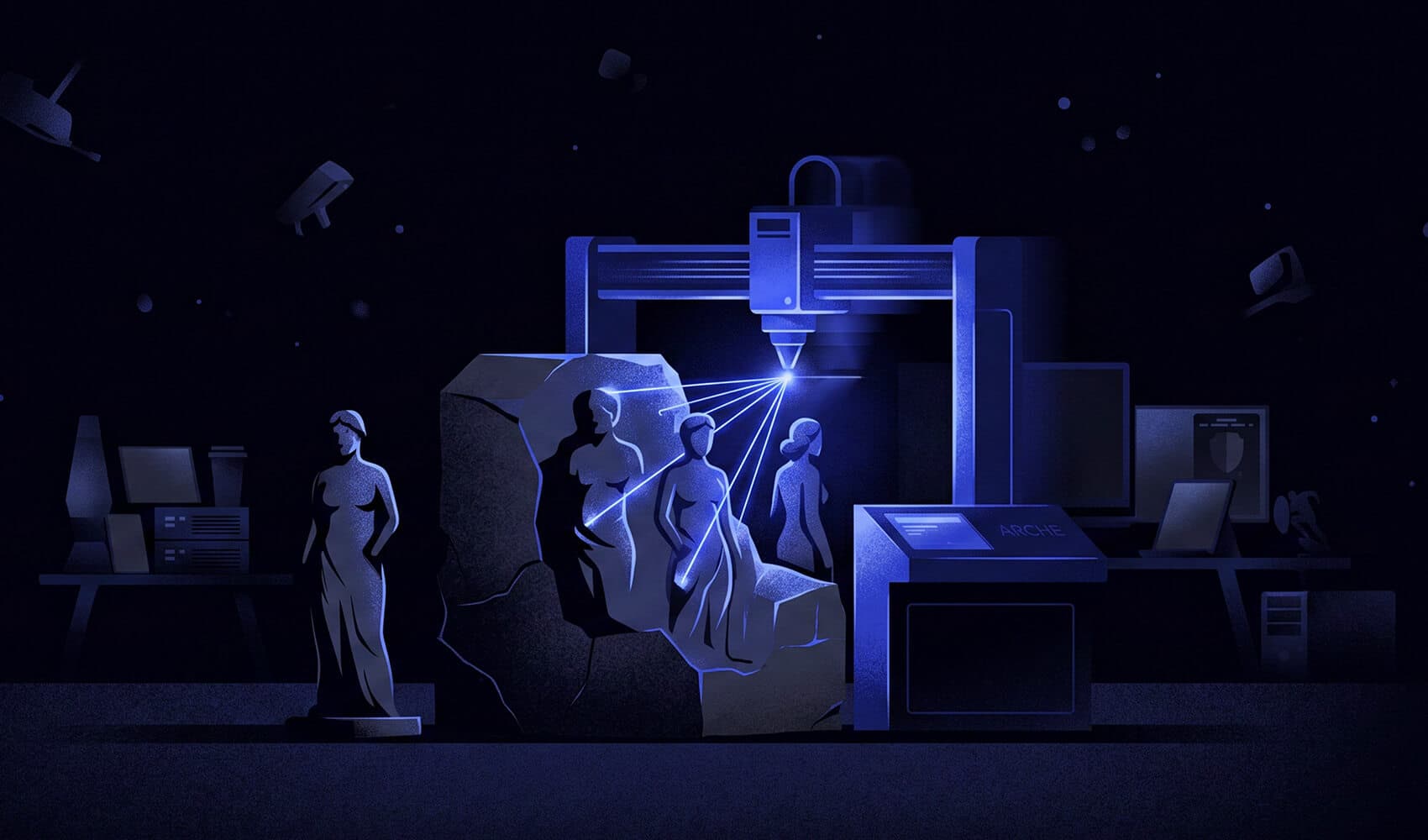
Short version: in the near future, no. Longer version: it'll replace some of them already, and they have it coming. Further out than that, nobody honest will give you a flat answer, and we'll get to why.
That's the honest take from people who use these tools every day, not to play it safe and not to talk our own book. AI is going to flatten a certain kind of agency, the kind that was really just a layer of markup on commodity output. But the question "will AI replace creative agencies" assumes that making the asset was ever the hard part. It wasn't. Knowing what to make, and why, and whether it's any good, is the job. For now, that part isn't going anywhere.
Let's be specific instead of comforting.

What AI is genuinely brilliant at now
We're not here to pretend the tools are toys. They're not. Used well, they're the biggest leap in production speed our industry has seen in a generation.
AI can draft fifty headline variations before you've finished your coffee. It can generate moodboards, rough out storyboards, cut a first edit, mock up a dozen layout directions, voice a scratch track, and translate a campaign into eight languages by lunch. The grunt work that used to eat days now takes minutes. For a creative team, that's not a threat. It's a gift, as long as you know what to do with the time it gives back.
Anyone telling you the output is worthless hasn't looked recently, or is scared. Both are bad positions to plan from.
So what can't it do?
Here's where the honest part earns its keep. Today, AI is extraordinary at producing things. It is genuinely poor at deciding what's worth producing.
Ask a model for a logo and it'll give you a thousand. Ask it which one your brand should stake the next five years on, and why, and how it should flex across a shopfront in Dubai and a 9:16 video and an embossed business card, and it goes quiet. It can answer the brief. It can't interrogate the brief, notice the brief is wrong, and tell the client the thing they didn't want to hear but needed to.
A few things stay stubbornly human, at least at the moment. Taste: knowing that nine of ten good options are still wrong for this brand, and feeling the difference. The brief behind the brief: a client asks for a louder ad, the real problem is the product positioning. Accountability: when a campaign flops, "the model generated it" is not an answer a business can use. Context nobody typed into a prompt: the CEO's nervousness, the board politics, the thing the founder said offhand that changes everything. Judgment under ambiguity: most real briefs are messy, contradictory and half-formed. Taste is what fills the gaps.
Strip those out and you don't have a creative agency. You have a render farm with a logo.
The real threat isn't AI. It's agencies that act like AI.
Here's the uncomfortable bit for our own industry. Plenty of agencies have spent years operating like a slow, expensive version of a generation tool. Take the brief literally. Produce the obvious thing. Add 40% margin. Repeat.
Those agencies are in real trouble, and honestly they should be. If your entire value was turning a clear instruction into a competent file, a model now does that in seconds for the price of a subscription. You were never selling creativity. You were selling capacity, and capacity just got very cheap.
The agencies that survive are the ones that were always selling something else: the thinking, the taste, the strategic spine, the ability to look a client in the eye and say "that's not the problem." AI doesn't touch that yet. If anything, it makes it more valuable, because when everyone can produce, the scarce thing becomes knowing what's worth producing.
How does a good agency actually use AI?
Not by hiding it, and not by worshipping it. We treat it as the fastest junior on the team: tireless, quick, occasionally brilliant, completely lacking judgment, and never left alone with a client.
In practice that means using AI to explore wider and faster in the early stages, then bringing human taste in hard at the decision points. We'll generate forty directions to find the two worth developing, instead of agonising over the first two we can afford to make. We'll use it to kill bad ideas cheaply, which is its own kind of value. The machine widens the funnel. People decide what comes out the other end.
The work that ships is better for it, not worse, because the team spends its energy on the parts that move the needle: the idea, the craft, the call. Speed on the bottom frees up judgment at the top. That's the whole trick.
The honest caveat: this answer has an expiry date.
Everything above is true for the world in front of us, and we should be straight about its limits. "No" is an answer about the near future, not a law of nature. Nobody actually knows which capabilities will be built next, which ones regulators will allow out into the open, or how much control people will be willing to hand to a machine once it earns that trust. Those are open questions, and anyone selling you certainty in either direction is guessing.
Push the timeline far enough and the picture changes completely. If a system arrives that genuinely judges better than we do, that has taste, reads the room, owns the call and is right more often than the best human in the building, then this whole debate dissolves. We're not there, and we're not pretending to know when or whether we will be. But honesty means saying the door is open, not bolted shut.
For now, the future isn't agencies versus AI. It's creative people with AI out-running creative people without it, and out-running AI on its own by a wider margin still. The tools handle the production. The humans handle the part that is, for the moment, still the point: deciding what deserves to exist, and making sure it's genuinely good.
So will AI replace creative agencies? In the near term, it'll replace the ones that forgot what they were for. The rest of us just got a very fast new colleague, and a lot more time to think.